Describe the premise
Choose a character, a setting, and a challenge. Add the tone or ending you have in mind.
Give your story a character, a setting, and something unexpected. Turn the idea into a narrated short with AI images and captions.
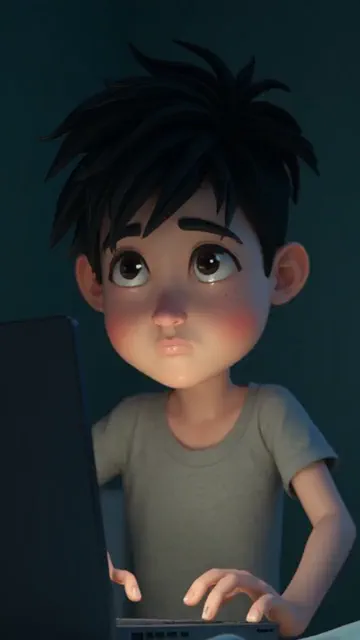
Example style · Your video will match your choices
The AI Image Story flow turns your instructions into a script, narration, image scenes, and captions. Review your choices in Create before starting generation.
Choose a character, a setting, and a challenge. Add the tone or ending you have in mind.
Choose realistic, 3D animation, fantasy, or storybook visuals to fit the story.
Your premise and image style carry over. Review narration and delivery settings before generating.
Use the prompt to guide the plot, tone, and audience while the story flow writes the narration. It works for uplifting fiction, mysteries, fantasy, or everyday twists. If you already have every word written, use the Text to Video tool instead.
A lost letter brings two neighbors together
A tiny dragon takes a job in a bakery
A detective can hear the last thought of an object
An astronaut returns to a city that remembers her differently
It starts a narrated AI image story from your premise, with image scenes and captions in a vertical video. This is an image-based story format, rather than a continuous live-action scene.
No. Describe your idea and any instructions for the plot or tone. The story flow writes the narration from that prompt. Use Text to Video if you want to supply a finished script.
No. You can make fantasy, mystery, uplifting fiction, or other short stories. The separate Scary Story tool offers a horror-focused set of visual choices.
Yes. Continuing opens the AI Image Story flow with your custom prompt and chosen image style filled in. You can review and change the settings there.
No. It opens the creation flow. Review the settings and the displayed credit cost before starting generation; generation requires an account and sufficient credits.
The creation flow supports scheduling a series and connecting supported social accounts. Choose delivery and scheduling settings there before creating the series.
TEXT TO VIDEO TOOLTurn text or a finished script into a faceless video with a voiceover, visuals, and captions.
Try it ↗ AI HORROR VIDEO TOOL
Turn a creepy idea into a narrated horror video with eerie visuals and captions.
Try it ↗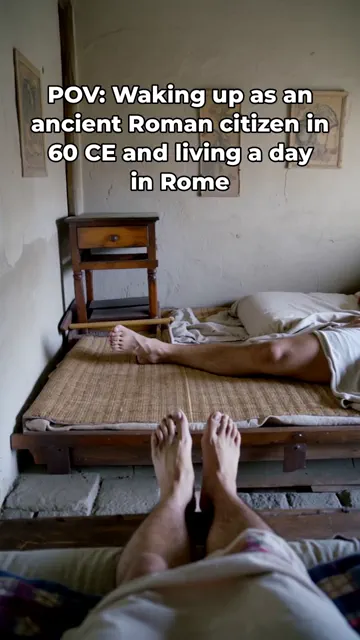 FIRST-PERSON VIDEO TOOL
Put viewers inside a first-person scenario. Choose a topic and a 30- or 65-second format.
Try it ↗Describe the premise, choose an image style, and take your choices into Create.
Start creating